
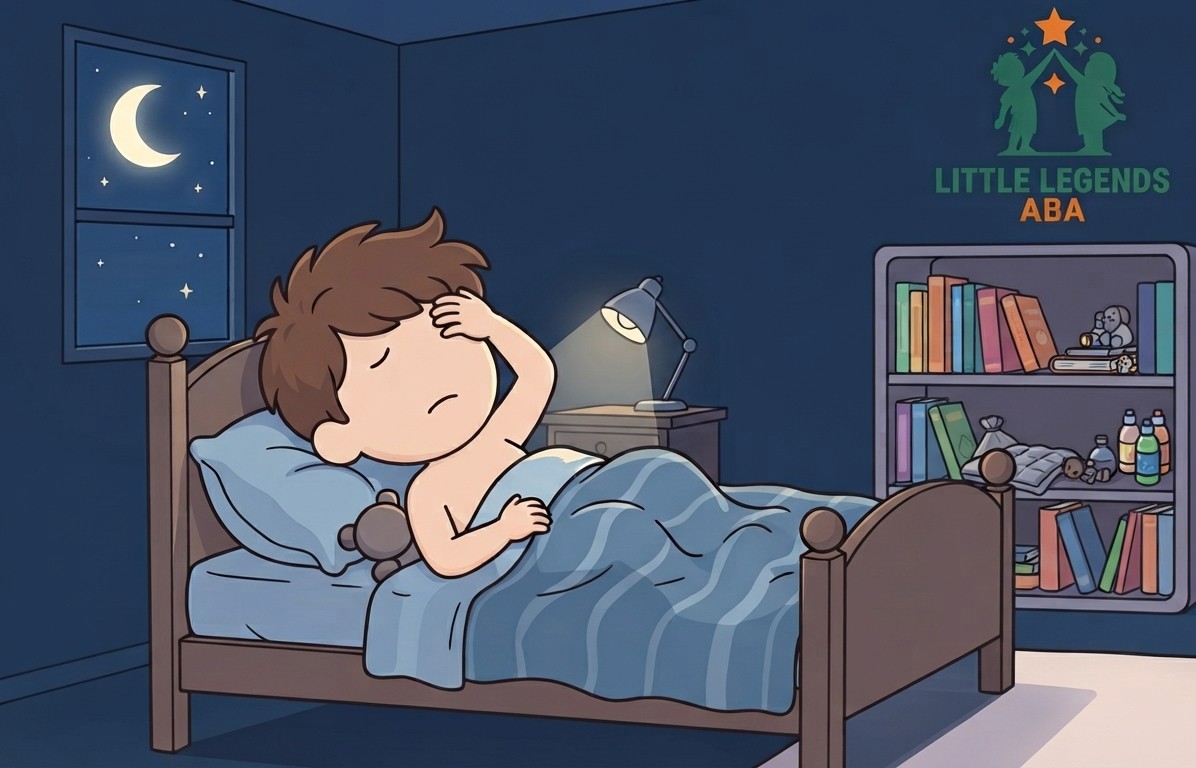
As the clock strikes two in the morning, you will find yourself wide awake, rubbing your tired eyes. If you are reading this while pacing the hallway or gently patting a little one who simply refuses to drift off, you are far from alone. Bedtime in many households can feel less like a peaceful wind-down and more like an emotional marathon, especially when nighttime restlessness becomes a nightly habit.
Trying to decode sleep problems and autism can feel overwhelming when you are running on empty. If you are brand new to this world and feel like you do not even know where to start or what neurodiversity really means, take a deep breath and give yourself some grace. We are going to explore this topic completely from scratch, using clear, everyday words so you can feel supported, informed, and ready to help your family find the rest you all deserve.
- Understanding sleep problems and autism starts with recognizing how sensory differences and daily routines affect a child's ability to wind down.
- Natural sleep chemical differences can make it harder for some autistic children to feel sleepy when bedtime arrives.
- Using visual schedules, dim lighting, and sensory-friendly tools can transform a chaotic bedtime into a peaceful routine.
- Families do not have to struggle alone, as pediatricians and developmental specialists offer wonderful support pathways.
The Connection Between Nighttime Rest and Development
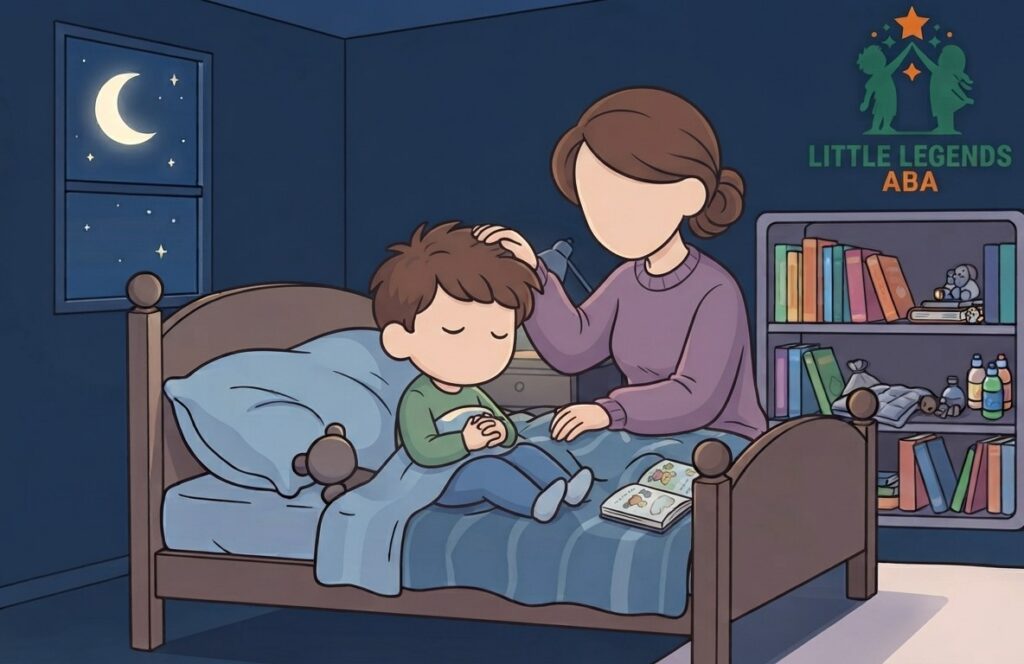
Anytime nighttime rolls around, our bodies will naturally expect to power down, shift into a low gear, and then head into deep slumber. However, for many autistic children, that natural biological transition does not always go smoothly. Understanding sleep problems and autism requires looking closely at how an autistic brain experiences and processes the surrounding environment long after the sun goes down.
During daylight hours, children absorb an immense amount of sensory information such as sights, sounds, social cues, and textures. When evening arrives and the environment finally quiets down, an active, sensitive brain may suddenly notice tiny details that others completely miss, such as the hum of the refrigerator or the scratchy tag on a blanket.
Finding the right professional guidance to help navigate these hurdles makes a profound difference for the entire household. Whether you want expert support right where your child feels most secure or prefer an engaging, specially designed environment through center-based versus in-home therapy, having a compassionate team by your side changes everything.
Whether you want expert support right where your child feels most secure through therapy at home or prefer an engaging, specially designed environment outside the house through a dedicated therapy center, having a compassionate team by your side changes everything.
Why Do Sleep Troubles Happen So Often?
Whenever families deal with sleep problems and autism, it will really help to understand just why bedtime can be so tricky. Sleep is a really complex process that directly involves our hormones, senses, and daily routines. For many autistic children, a few specific factors will make drifting off even more of a challenge.
Our bodies naturally produce a chemical called melatonin that signals to our brain that it is time to sleep. Some studies show that autistic individuals may produce melatonin differently or at different times of the evening, making it hard to feel naturally sleepy when the lights go out.
During the day, children collect a lot of sensory input. At night, when the house gets quiet, those sensory feelings, like the texture of pajamas or the hum of the refrigerator, can suddenly feel loud and distracting to an active brain.
Moving from the fun, high-energy activities of the daytime into the still quiet of a bedroom is a massive transition. For kids who crave predictability, stopping playtime can cause severe distress, making it vital to understand the difference between recognizing a meltdown versus a standard tantrum when bedtime resistance escalates.
Practical Ways to Create a Calming Bedtime Routine
Even though sleep problems can feel overwhelming, remember that there are plenty of loving steps you can take to make bedtime peaceful. Establishing daily rhythms is a core part of supporting your child at home while you wait for specialized behavioral services to begin.
How so? well, children often feel safer when they know what comes next. A simple picture chart showing bath time, teeth brushing, story time, and bed can take away the guesswork and reduce anxiety.
Also, pay attention to lighting and sound. Dimming the lights early, turning on a white noise machine, or using blackout curtains can help calm a sensitive nervous system. Many kids find comfort in weighted blankets or firm, gentle hugs before tucking in, which helps the body feel grounded and secure.
When You Should Consider Getting Help
Every child has a rough night of sleep every now and then. If your child is consistently struggling to fall asleep or if the lack of sleep takes a heavy toll on your family, it is time to ask for professional help. Reviewing essential questions to ask an ABA provider can also help you find specialists who understand sensory integration and nighttime behavioral support.
They can check for physical issues like sleep apnea or restless legs and then come to a proper conclusion.
It's no secret that navigating bedtime routines and finding the right support team for your family can be difficult, but if you ever need any assistance, reach out to us!
References:
- Association for Science in Autism Treatment (ASAT): New Parent Packet
- Organisation for Autism Research: A parent's guide to research
- Autism Navigator: Web-based lookbooks
- Wrightslaw: From emotions to advocacy