

If your child has ever bolted from a room, playground, classroom, or parking lot, you know how frightening it can feel. Elopement, also called wandering, means leaving a safe or supervised area without permission or warning.
This guide is for parents and caregivers who want to understand why elopement happens and what practical steps can help reduce risk at home, school, and in the community.
- Elopement is not “bad behavior.” It often communicates a need, fear, sensory response, or strong interest.
- Common triggers include sensory overload, escape from demands, curiosity, anxiety, and communication difficulties.
- Safety planning works best when it combines home changes, teaching, identification tools, and emergency preparation.
- Pediatricians, ABA providers, schools, and first responders can all play a role in prevention.
- Wandering risk can change as children grow, so safety plans should be reviewed over time.
What Is Elopement in Autism?
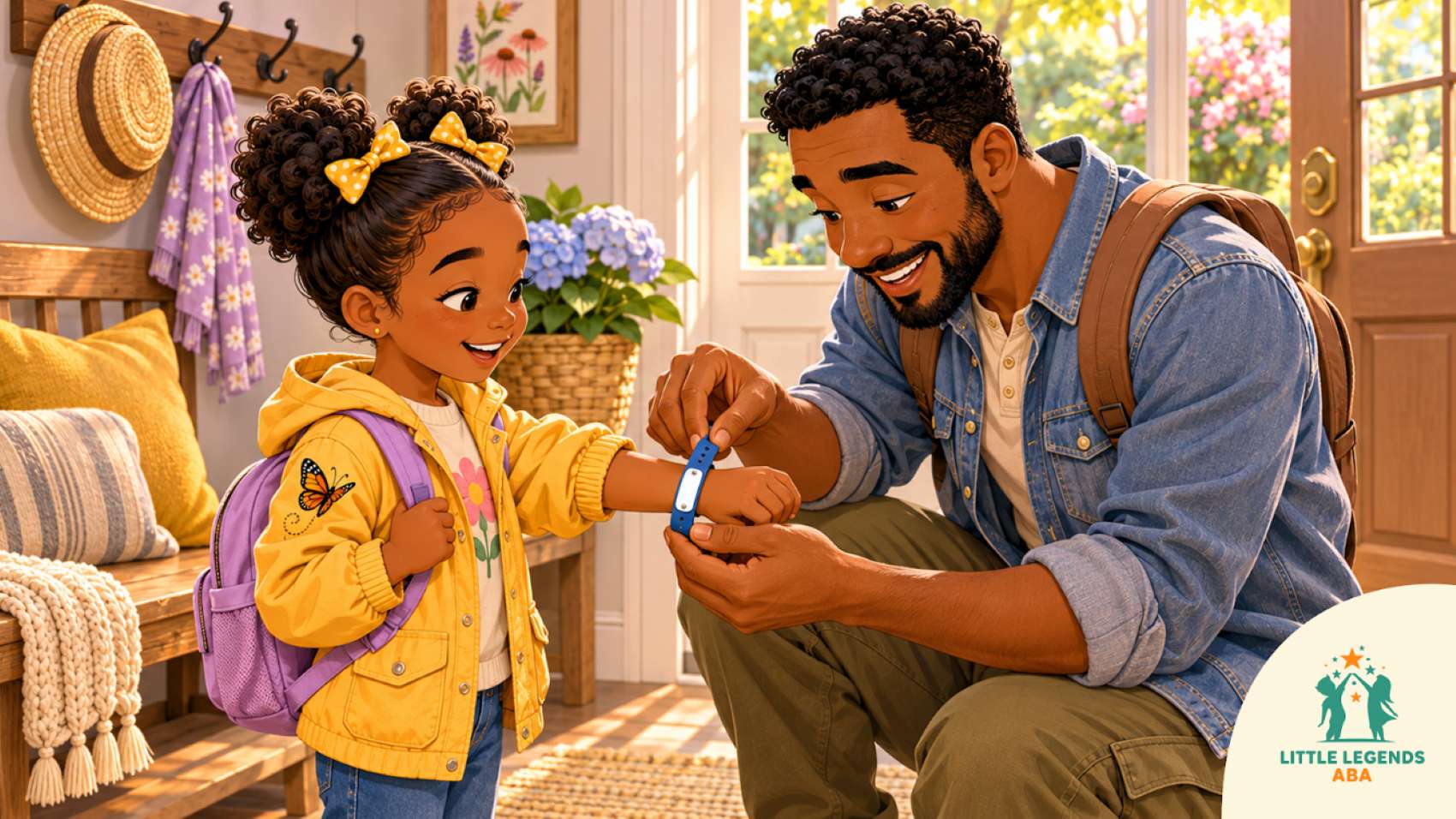
Elopement means a child or adult leaves a supervised space in a way that creates danger. This may look like running from a classroom, slipping out a front door, hiding in a store, or walking toward water, traffic, or another preferred place.
For children with Autism Spectrum Disorder, elopement may be linked to communication deficits, difficulty understanding danger, sensory overload, or a strong pull toward something interesting. It can also happen during stressful moments, such as transitions or public meltdowns.
The most helpful starting point is this: wandering has a reason. Finding that reason helps adults respond with support instead of blame.
Common Triggers Behind Wandering
Elopement can happen for different reasons, even for the same child on different days. In autism, this is a real safety concern, and wandering is an important risk area for autistic children and their families, which is why it's so important to try different strategies to prevent elopement.
Sensory Overload
A noisy store, bright lights, crowded parties, or scratchy clothing can feel overwhelming. A child may run because their body is trying to get away from discomfort.
Escape From Demands
Some children leave when a task feels too hard, confusing, or unpleasant. This may happen during homework, therapy, hygiene routines, or school transitions.
Seeking Something Preferred
A child may run toward water, elevators, trains, animals, a favorite store aisle, or a neighbor’s house. The motivation may be curiosity or strong interest, not defiance.
Communication Challenges
If a child cannot easily say “I need a break,” “I’m scared,” or “I want to go outside,” leaving may become their way of communicating. Teaching safer communication through speech, visuals, gestures, or devices can be an important part of the plan.
Practical Safety Steps at Home and in the Community
A strong safety plan usually includes both prevention and teaching.
At home, consider:
- Door alarms, window locks, or chimes when affordable and appropriate.
- Visual stop signs near exits.
- A clear family rule for doors, yards, and cars.
- Practice with simple safety phrases like “stop,” “wait,” and “come back.”
- A current photo and written description ready for emergencies.
In the community, it can help to:
- Assign one adult as the “safety watcher” in busy places.
- Use identification tools, such as ID bracelets or tags.
- Visit new places at quieter times when possible.
- Practice staying near an adult through short, positive outings.
Applied Behavior Analysis (ABA) may also help by identifying the function of elopement and teaching replacement skills. For some children, safer routines can be built through play-based ABA so practice feels less intimidating.
Emergency Preparation and First Responders
It can feel uncomfortable to talk with local law enforcement or first responders before anything happens, but it may save time during an emergency.
You may want to prepare:
- Your child’s name, nickname, photo, and communication style.
- Places your child may go, such as water, parks, roads, or familiar stores.
- Triggers that may increase fear.
- Calming strategies that usually help.
- Medical or sensory needs.
Some families choose to share this information with neighbors, school staff, or local emergency services. Cultural comfort levels around police, government agencies, or disability disclosure can vary, and that matters. If direct contact feels unsafe or uncomfortable, ask your pediatrician, school team, or a trusted community advocate to help you plan in a way that respects your family’s needs.
How Risk Changes as Children Grow
Wandering does not always end after early childhood. As children become stronger, faster, and more independent, risks can change. A young child may slip through a door. An adolescent may leave school grounds, use public transportation, or walk farther from home.
During adolescence and adulthood, safety planning may need to include phone use, community travel skills, consent, privacy, and job or day-program routines. Siblings may also need simple, age-appropriate guidance, especially if they spend time together in shared spaces. If that applies to your family, sibling involvement can be planned in a supportive way.
Working With Your Child’s Care Team
Pediatricians can help screen for wandering risk during routine visits by asking about past elopement, water attraction, sleep, communication, impulsivity, and family safety concerns. They may also refer families to behavioral, developmental, or community supports.
If caregivers disagree on how to handle safety, try to keep the focus on shared goals: keeping your child safe, reducing fear, and building skills over time. Families who feel stuck may find it helpful to talk through parent disagreement with a provider.
Cost can be a real barrier. If expensive equipment is not possible, start with lower-cost steps: visual reminders, door routines, neighbor awareness, school planning, and teaching your child how to ask for help. Small changes can still make a meaningful difference.
Conclusion
Elopement can be scary, but you do not have to handle it alone. Start by writing down when wandering happens, where your child tries to go, and what happened right before. That pattern can guide a safer, more individualized plan with your pediatrician, ABA team, school, and trusted community supports.
References
- National Library of Medicine: Prevalence and risk factors of elopement behavior in children and adolescents with autism spectrum disorder
- National Library of Medicine: Wandering by Children with Autism Spectrum Disorders
- PubMed: Wandering behavior in children with autism spectrum disorder and other developmental disabilities
- PubMed: Elopement Patterns and Caregiver Strategies