

Deciding on the best path to support your child's early development can feel like exploring an entirely new world filled with unfamiliar choices. Every family wants to find an environment where their little one feels completely safe, understood, and excited to learn new skills.
When you begin researching developmental support, one of the biggest choices you will encounter is evaluating center-based vs in-home ABA therapy to see which setting matches your daily routine. Understanding how each option works can take away the guesswork and help you make a confident, informed decision for your family.
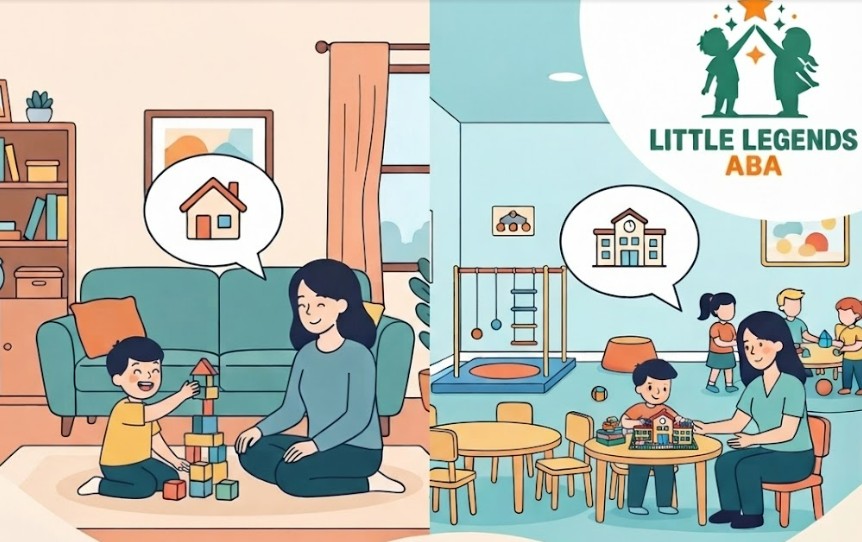
Every child has a unique personality, and what works wonderfully for one family might look completely different for another. Whether you prefer professional guidance right where your child plays every day through Therapy at Home or want to explore a vibrant, social setting filled with learning activities via a dedicated Therapy Center, both choices offer incredible benefits. Let us dive into what makes each environment special and how to figure out the best fit for your little one.
- In-home therapy brings professional support directly into your living space, making it easy to practice skills during natural daily routines.
- Center-based therapy offers a dedicated, school-like environment filled with specialized resources and wonderful opportunities for peer socialization.
- Evaluating your daily travel schedule and home environment helps determine which setting causes the least stress for your family.
- Observing whether your child thrives in quiet familiar spaces or energized social rooms guides you toward the ideal choice.
- Both options provide loving, evidence-based support designed to help your child build confidence and communicate with joy.
Getting to Know Autism and Early Developmental Support
Before looking closely at where therapy takes place, it helps to understand what autism means and why early support makes such a wonderful difference, especially when you are actively preparing for your first ABA therapy session.
Some children might learn to speak early, while others prefer using gestures, pictures, or devices to share their thoughts and big feelings. Because every child perceives the world through their own unique lens, developmental support is designed to celebrate those strengths rather than changing who they are.
Applied Behavior Analysis, commonly called ABA, is a supportive, play-based approach that helps children learn practical habits, master daily routines, and build positive social connections. For families looking for trusted educational overviews on how young minds grow, public health resources such as autism health resources offer wonderful, easy-to-read guides on childhood development.
Exploring In-Home ABA Therapy
Choosing to bring therapy directly into your living room comes with a unique set of wonderful advantages, making daily routines much easier while you focus on supporting your child at home during those early stages.
Another major benefit of home-based care is that parents, siblings, and caregivers can easily join in on the fun and learn strategies firsthand. When family members participate naturally during daily routines like brushing teeth, tidying up toys, or snack time, the encouraging habits stick around long after the session ends.
Discovering the Benefits of Center-Based ABA Therapy
On the flip side, stepping outside the house into a dedicated facility offers an entirely different kind of enriching experience for growing children. A center-based setting is designed from the ground up specifically for kids, featuring specialized learning rooms, sensory-friendly play areas, and engaging group activities. This environment provides a wonderful transition space that gently prepares children for future school classrooms by helping them adapt to structured routines outside the home.
In a center, children get wonderful opportunities to interact, share, and play alongside other kids of similar ages, highlighting the benefits of structured group settings versus individual care for peer communication.
Comparing Schedules and Daily Logistics
When weighing center-based vs in-home ABA therapy, practical daily logistics play a massive role in what works best for your household schedule. In-home therapy eliminates commute times completely, allowing family members to participate easily and learn the distinction between active parent training versus passive observation during daily routines.
Center-based care requires traveling to a facility on specific days, which adds a bit of driving to your weekly routine but creates a wonderful physical boundary between "therapy time" and "home relaxation time." Many parents love this split because it keeps the family home a sanctuary for pure rest and family bonding at the end of the day.
Which Setting Best Supports Your Child's Personality?
Every child responds differently to their surroundings, and watching how your little one reacts to new spaces can guide you toward the right choice. Some children thrive in quiet, predictable environments where they can focus deeply without the distraction of other children or unfamiliar noises. For these sensitive learners, starting out in a cozy home setting can build tremendous confidence and trust.
Other children possess an adventurous spirit, love exploring new rooms, and get genuinely excited when they see other kids playing nearby. If your child naturally gravitates toward social play and high-energy environments, a vibrant center setting might light up their curiosity and accelerate their growth. Observing whether your child feels energized or overwhelmed by social spaces helps you decide which path will keep them smiling.
Questions to Ask Yourself When Making the Choice
Taking a moment to reflect on your family's daily habits, goals, and lifestyle can make this big decision feel much more manageable. Sitting down with your partner or support system to talk through a few key questions ensures your choice aligns with your long-term vision. Some helpful questions to consider include:
- Does our daily routine allow us to travel to a facility consistently, or is home convenience a higher priority right now?
- Does our child feel more relaxed learning in familiar spaces, or do they crave the excitement of an active play center?
- How important is it for us to have daily, hands-on involvement with the therapist right inside our living spaces?
Conclusion
Choosing between center-based and in-home support does not have to be a journey you take alone. If you are exploring center-based vs. in-home ABA therapy and want friendly guidance on what works best for your child, we would love to chat.
References:
- American Speech-Language-Hearing Association (ASHA) - Family-Centered Care Portal
- Organization for Autism Research (OAR) - Parent's Guide to Research