

Applying for the NC ESA+ Scholarship can feel confusing, especially when you are already managing evaluations, therapy decisions, school meetings, and paperwork for your child. The ESA+ Scholarship is a North Carolina program administered by NCSEAA that may help eligible families pay for approved education-related services and supports. The official NCSEAA ESA+ page is the best place to confirm current requirements, deadlines, and expense rules.
- The ESA+ Scholarship is designed for eligible North Carolina students with qualifying disabilities.
- Families usually need disability documentation, such as an IEP, eligibility determination, or clinical evaluation.
- MyPortal is used to apply, upload documents, manage funds, and report expenses.
- ESA+ is different from the Opportunity Scholarship, which is generally focused on private school tuition support.
- Renewal matters. If your renewal is denied, review the reason carefully and respond through NCSEAA’s appeal process.
What Is the NC ESA+ Scholarship?
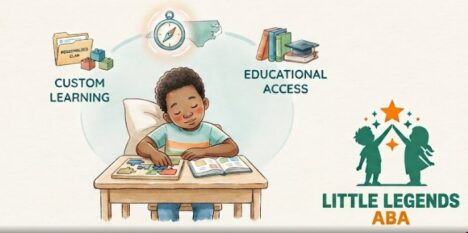
The ESA+ Scholarship, also called Education Student Accounts, helps eligible families use state funds for approved education-related expenses. These may include certain school costs, therapies, tutoring, educational materials, and other services allowed by NCSEAA.
For families of children with autism or developmental needs, this funding can sometimes help support a broader care plan. For example, if your child receives ABA and speech services, it may help to understand how ABA and speech therapy differ so you can choose supports that match your child’s goals.
Who May Qualify for ESA+?
Eligibility depends on North Carolina program rules, your child’s residency and school status, and disability documentation. Families may be asked to provide records such as:
- An Individualized Education Program, also called an IEP.
- A public school eligibility determination.
- A psychological evaluation or medical diagnostic report.
- Documentation showing how your child’s disability affects learning or daily educational needs.
If you have a clinical report, read it with the ESA+ forms beside you. Look for the diagnosis, testing results, functional needs, recommended services, and provider credentials. Then translate that information into the state form clearly, using the same diagnosis and support needs listed in the report. Avoid adding unsupported details that are not in the evaluation.
ESA+ vs. Opportunity Scholarship
These programs can sound similar, but they are not the same.
| Program | Main purpose | Documentation focus |
|---|---|---|
| ESA+ Scholarship | Support for eligible students with disabilities | Disability documentation and approved expenses |
| Opportunity Scholarship | Private school tuition assistance | School choice eligibility requirements |
Some families may qualify for one program, both, or neither, depending on current NCSEAA rules. If you are comparing options, review the program details carefully before choosing a financial path.
How to Apply Through MyPortal
Here is a simple step-by-step path:
- Create or log in to MyPortal. Use the NCSEAA portal connected to your parent account.
- Start the ESA+ application. Enter your child’s basic information carefully.
- Upload documentation. Add the IEP, psychological evaluation, medical documentation, or other required forms.
- Review before submitting. Make sure names, dates, diagnoses, and signatures match across documents.
- Watch for updates. NCSEAA may request additional information.
- Track funds and expenses. If approved, use MyPortal to manage eligible purchases, invoices, reimbursements, or direct payments as allowed.
If therapy location is part of your planning, our guide to ABA therapy settings may help you think through what environment fits your child’s needs.
What Expenses May Be Eligible?
Eligible expenses depend on NCSEAA rules and can change, so check the official list before spending funds. Common categories may include approved educational services, certain therapies, tutoring, curriculum, technology, and testing.
Before choosing a therapist or tutor, ask:
- Are you familiar with ESA+ billing or documentation?
- Can you provide invoices that meet NCSEAA requirements?
- Are your services listed as eligible before we schedule?
- What records will I need to keep?
There is not always one neutral directory that fully vets every ESA+ provider, so families often need to ask these questions directly.
What If Your Renewal Is Denied?
A denial can feel discouraging, but it does not always mean the conversation is over. Start by reading the reason in MyPortal. Then gather the exact documentation requested, such as updated disability records, missing signatures, or corrected forms.
If NCSEAA allows an appeal, follow the appeal instructions and deadline closely. Keep copies of everything you submit. If your child’s needs have changed, updated clinical documentation may help explain the current support plan.
For some families, documentation may also include sleep-related concerns when they affect daily functioning. If that is part of your child’s routine, this overview of sleep and autism may help you prepare for conversations with providers.
A Gentle Next Step
You do not have to understand every funding rule before asking for help. Start with the official NCSEAA instructions, gather your child’s evaluations, and write down questions about therapy, school, and expenses. Clear paperwork can make the ESA+ process feel much more manageable for your family.
References
- NCSEAA: Opportunity K12 Scholarship
- AAB Publications: Identification, Evaluation, and Management of Children With Autism Spectrum Disorder