
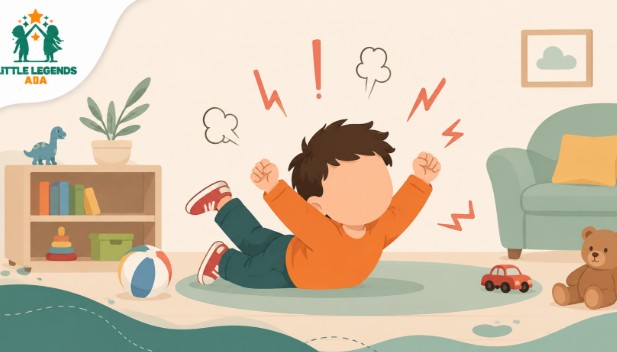
A meltdown and a tantrum can look similar from the outside, but they usually need very different responses. A tantrum is often goal-directed behavior, while a meltdown is an involuntary stress response that happens when the nervous system is overwhelmed.
This guide is for parents, caregivers, partners, and neurodivergent adults who want to respond with more calm, safety, and understanding. If your family is also sorting through overlapping traits or emotional regulation concerns, this guide on BPD vs autism may offer helpful context.
- A tantrum is usually connected to a want, limit, or goal. A meltdown is more often tied to sensory overload, stress, communication difficulty, or nervous system dysregulation.
- During a meltdown, the person is not “choosing” the behavior in the same way they might choose a protest or demand.
- Early signs, sometimes called the rumble stage, are the best time to step in gently.
- The most helpful response is usually less talking, fewer demands, more space, and a safer environment.
- Long-term support should focus on prevention, communication, sensory needs, and self-regulation skills.
Meltdown vs Tantrum: What Is the Difference?

A tantrum often has a clear purpose. A child may cry, yell, or refuse because they want a toy, want to avoid bedtime, or feel upset about a limit. The behavior may stop when the goal is met or when the child realizes the strategy is not working.
An autistic meltdown is different. It is usually a nervous system response to being overloaded. For autistic people and other neurodivergent individuals, this may happen after too much noise, bright light, social pressure, pain, unexpected change, or emotional stress.
| Sign | Tantrum | Meltdown |
|---|---|---|
| Main driver | A goal, want, or limit | Overload or distress |
| Control | Some control may remain | Control is greatly reduced |
| Response needed | Calm boundaries | Safety, reduced demands, regulation |
| Ends when | Goal changes or limit is accepted | Nervous system settles |
Watch for the Rumble Stage
The rumble stage is the early warning period before a full meltdown. This is when supporting your child with autism can make the biggest difference.
Families may notice:
- Covering ears or eyes
- Pacing, rocking, or withdrawing
- Repeating phrases or questions
- Faster breathing or tense body language
- Irritability over small changes
- Trouble answering simple questions
- Trying to escape a space or situation
At this stage, try lowering demands rather than adding more instructions, and consider requesting a functional behavior assessment if you need professional guidance identifying early behavioral triggers.
What to Do During Emotional Distress
Whether you are supporting a child, teen, or neurodivergent adult, the goal is not to “win” the moment. The goal is safety and regulation.
Helpful de-escalation strategies include:
- Reduce noise, lights, crowding, and touch.
- Use fewer words and a calm voice.
- Offer choices that do not require much thinking, such as “quiet room or outside?”
- Give space while staying nearby if safety allows.
- Remove unsafe objects without making sudden moves.
- Avoid lectures, consequences, or problem-solving until later.
For adults, always respect autonomy as much as possible. You might say, “Do you want me to stay close, give you space, or help reduce noise?” If the person has a meltdown plan, follow it.
When a Tantrum Becomes a Meltdown
Sometimes the “gray zone” is real. A child may start with goal-directed behavior, then become overwhelmed by crying, noise, frustration, or adult reactions. At that point, the response should shift.
If the person no longer seems able to listen, negotiate, or calm with normal limits, treat it like a meltdown. Pause the lesson. Lower the pressure. Return to boundaries later, once the person is regulated.
Supportive therapies may help families understand communication needs behind behavior. For example, ABA and speech therapy can both support functional communication when a child struggles to ask for help, request a break, or express discomfort.
Long-Term Ways to Reduce Meltdowns
Meltdown support is not only about the hard moments. Prevention matters, and working with professionals who understand Autism Spectrum Disorder, sensory overload, and comparing behavioral interventions with occupational therapy can help pinpoint the exact supports your child needs.
Consider:
- Building predictable routines.
- Tracking sensory triggers, sleep, hunger, pain, and transitions.
- Creating quiet spaces at home, school, or work.
- Using visual schedules or written plans.
- Teaching break requests and coping tools when the person is calm.
- Working with professionals who understand Autism Spectrum Disorder, sensory overload, Applied Behavior Analysis (ABA), occupational therapy, or DIR/Floortime.
Common Mistakes to Avoid
- Talking too much. A flooded nervous system may not process long explanations.
- Assuming manipulation. Meltdowns are not the same as planned behavior.
- Touching without consent. Physical comfort can help some people and distress others.
- Teaching during the crisis. Save reflection for later.
- Ignoring adult needs. Neurodivergent adults may also need sensory plans, recovery time, and supportive communication.
Consider building predictable routines and tracking sensory triggers, fatigue, and transitions, as addressing sleep problems and autism can significantly reduce daily sensory overload and emotional distress.
A Gentle Next Step
Every child and adult is different. If meltdowns are frequent, intense, unsafe, or affecting daily life, it may help to speak with a qualified provider. With the right support, families and neurodivergent adults can better understand triggers, plan ahead, and respond with more confidence when distress shows up.