
Finding out that your child might benefit from developmental support brings a mix of emotions, and feeling a little unsure about what happens next is completely normal. When you are just starting to learn about autism and how professional therapy works, every new step can feel like a big question mark. Y
You might wonder if your child will feel nervous, what the therapists will actually do, or how your family's daily routine will fit into it all. Taking that very first step into professional care is a huge act of love after spending weeks or months waiting for ABA therapy to finally begin, and having a clear idea of what day one looks like can completely melt away any worries you might have.
When you explore professional guidance, you want to know that your child's happiness and comfort come first above everything else. Let us walk through exactly what you and your little one can expect during that very first ABA therapy session so you can feel completely prepared and confident.
- Sessions focus on trust and connection instead of difficult tasks.
- Specialists use natural play to understand communication styles.
- Parents stay involved to share insights with supervisors.
- Routines fit smoothly into familiar home or center settings.
- Clear wrap-up chats ensure you know what comes next.
Step 1: Building Comfort and Connection

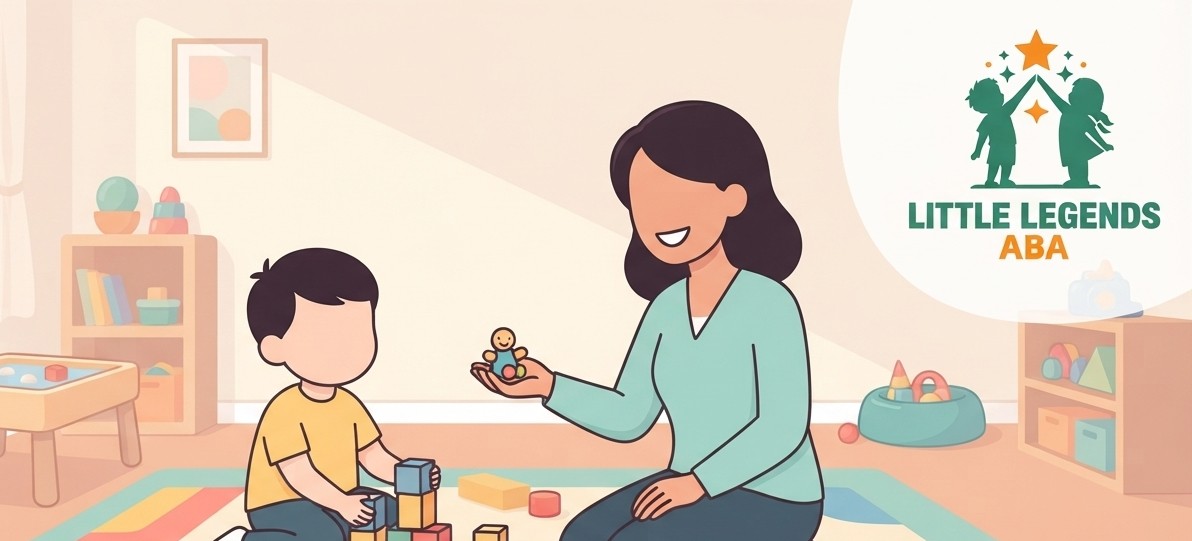
The absolute top priority on day one is ensuring your child feels completely secure, happy, and relaxed. Therapists know that trust cannot be rushed, so they spend a large portion of the initial visit playing games and interacting on your child's terms.
- Therapists avoid strict demands or tests right out of the gate.
- Specialists spend time exploring favorite toys and playing fun games together.
- Visits happen on your child's terms to build a strong foundation of trust.
Step 2: Observing Natural Routines and Play Styles
While your child is busy playing and having fun, the therapy team quietly observes how your little one communicates, solves small puzzles, and responds to the surrounding environment. Applied Behavior Analysis (ABA) uses positive encouragement and play-based activities to help children master daily habits.
- Specialists note your child's unique strengths and favorite motivators naturally.
- Therapists watch everyday behaviors like transitions and toy sharing.
- Observations help shape a personalized plan that matches your child's exact personality.
Step 3: Partnering Closely with Parents Throughout the Visit
Parents are treated as essential team members from minute one, ensuring you understand the difference between active parent training versus simply observing sessions so you are never left wondering what is happening behind closed doors.
- A board-certified behavior analyst chats with you before and after sessions to answer your questions and listen carefully to your daily routines, which helps clear up any confusion regarding understanding the roles of a BCBA and an RBT on your child's care team.
- Supervisors answer your questions and listen carefully to your daily routines.
- Strategies are tailored to match your family's unique lifestyle.
Step 4: Wrapping Up and Choosing Your Setting
As the first visit comes to a close, the team wraps up with a smooth transition to give you a clear picture of future scheduling without causing unnecessary stress. At this stage, you can decide whether you prefer receiving care through Therapy at Home or visiting a local facility by checking out our therapy center options.
- Sessions are reviewed to highlight the fun moments your child enjoyed.
- Future schedules are outlined clearly without disrupting your home life.
- You can easily browse all available regional options by visiting our locations page.
Understanding the Emotional Journey for Parents
Embarking on developmental support for your child is an act of profound love, but processing those initial emotions can feel overwhelming. Many parents experience a mixture of hope, worry, and curiosity as they navigate unfamiliar territory.
Recognizing that these feelings are entirely valid helps lighten the emotional load. Sharing your thoughts with supportive communities and trusted professionals transforms anxiety into empowered advocacy for your little one.
How Play-Based Therapy Transforms Childhood Development
Play is a child's natural language, making it the most powerful tool for meaningful learning and growth. Instead of traditional, rigid instruction, play-based strategies allow children to explore communication and social skills organically. When kids engage in activities they genuinely enjoy, their natural curiosity lights up, accelerating skill development without added pressure. This joyful approach ensures that therapy feels like a fun adventure rather than a clinical chore.
Embracing Individual Growth Paces in Early Childhood
Every child moves along their own unique developmental timeline, possessing a distinct rhythm for learning and mastering new skills. Comparing progress with others often adds unnecessary stress for families, whereas celebrating small, personal milestones fosters genuine confidence.
Realising that development is never a race allows parents to appreciate the beauty of small victories. This patient mindset creates a deeply supportive atmosphere where children feel entirely safe to explore, make mistakes, and grow at a pace that honors their individual spirit.
Conclusion
There might come times when you feel like you're not doing enough for your kid, and it's very important to note that what you're feeling is neither wrong nor bad. As a parent, you want the best for your child and nothing more, which is where the first ABA therapy session comes in to help. Other than that, if you want to talk through what to expect or need a custom plan for your child, our friendly team is here to help.
References:
- American Academy of Pediatrics (AAP) - Autism Considerations Resource
- Organization for Autism Research (OAR) - Parent's Guide to Research
- Autism Navigator - Web-Based Courses and Lookbooks